Laser Mapping – what is it?
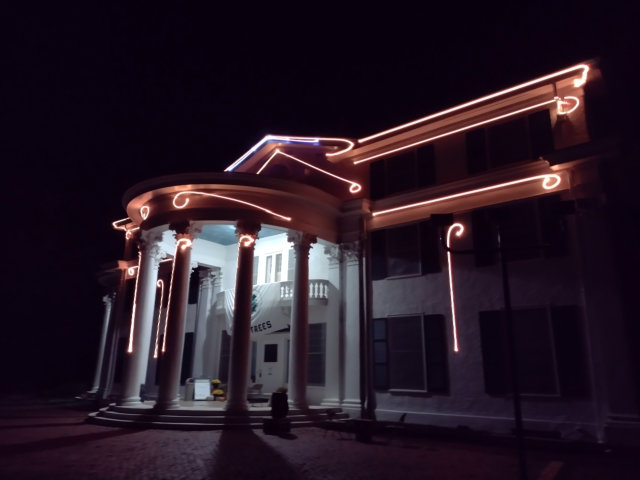
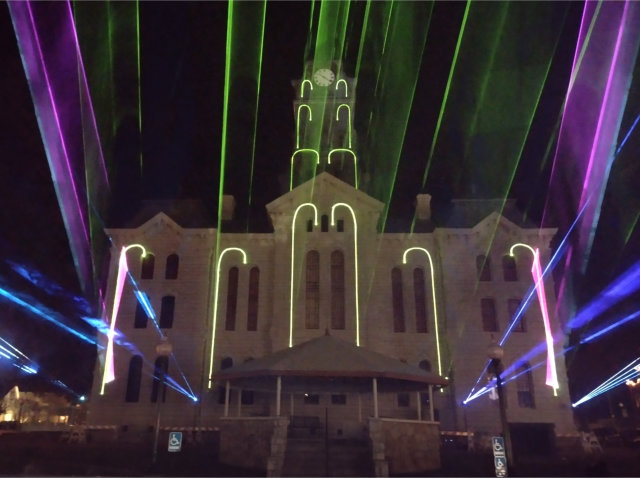
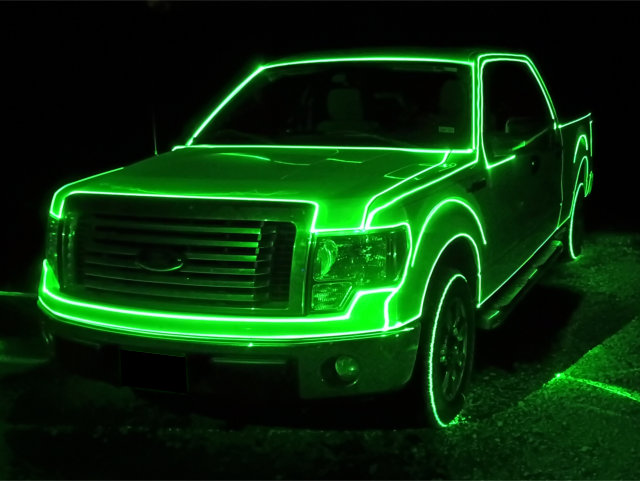
Laser Mapping is a simple concept! It is drawing with lasers upon a building, or other 3D objects like an automobile, for example. This will emphasize and focus on the elements that make the shape of the object unique.
What makes this technique special?
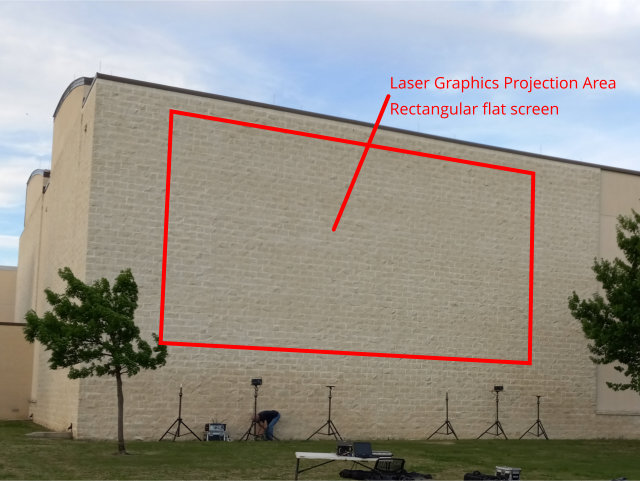
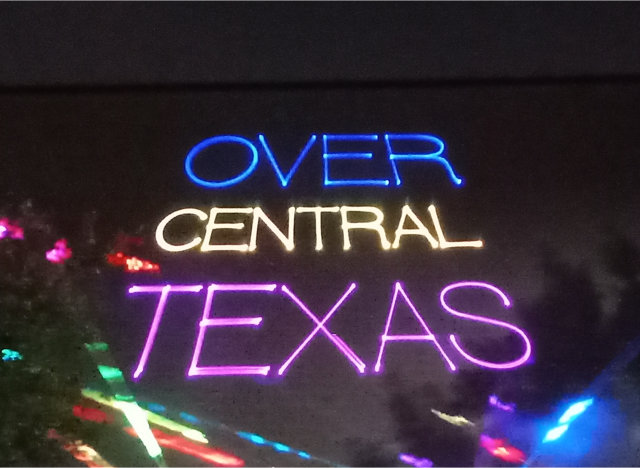
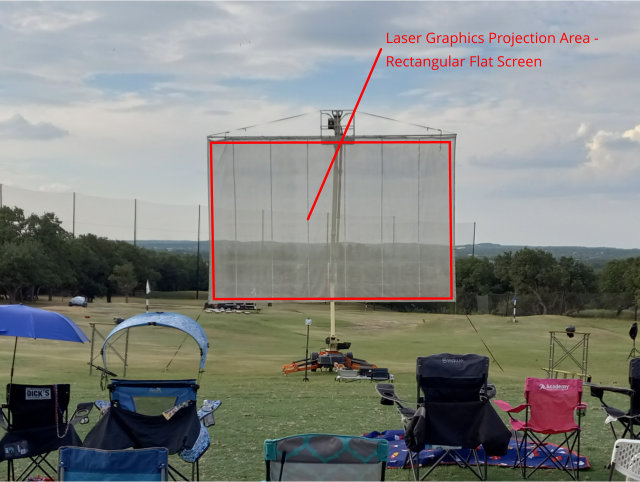
First look at “normal” laser drawing, on a flat screen:
To learn what makes laser mapping special, let’s first look at some “traditional” drawing done with lasers. Look below – see a few pictures of typical laser screens, outlined in red. Directly underneath each image, see lasers drawing pictures on these screens. These “screens” are flat surfaces, and they will not distort the images.
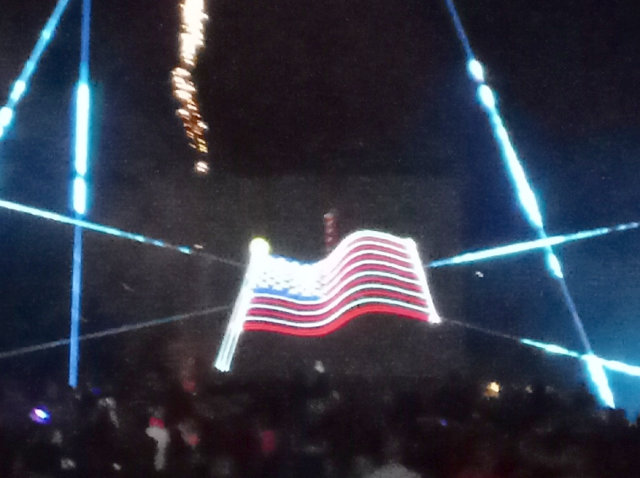
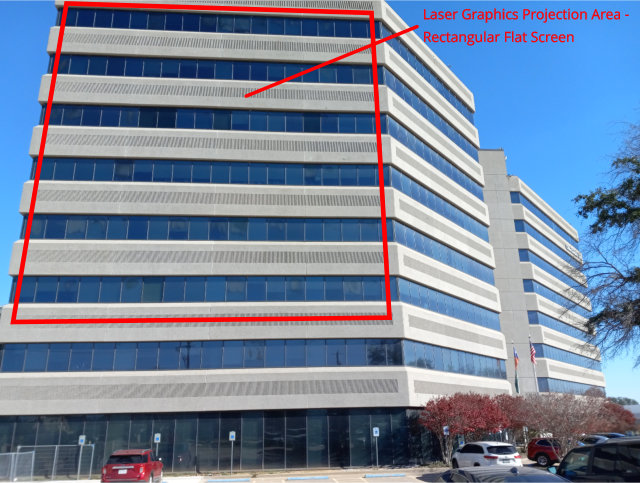
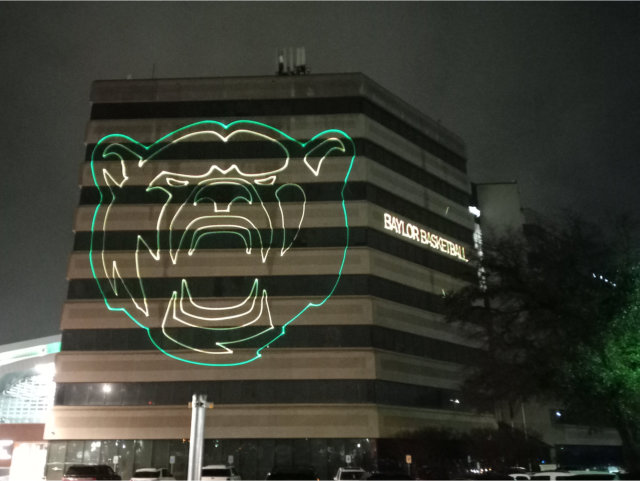
Now look at some laser mapping:
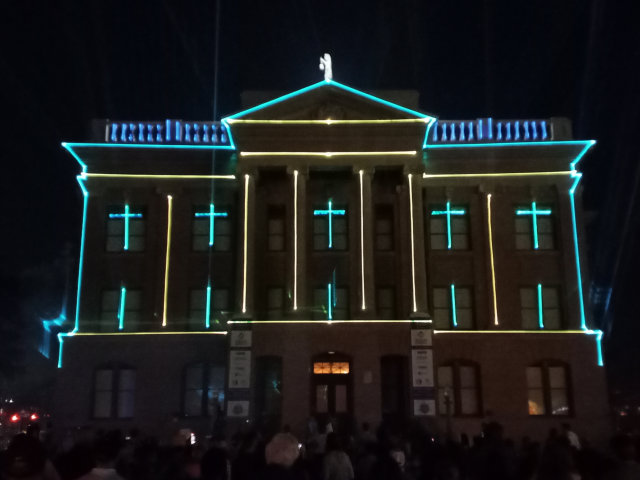
An artist programming a mapping show will generally start by drawing the object or building outlines, using the object as a guide. The following pictures will give you an idea of this:
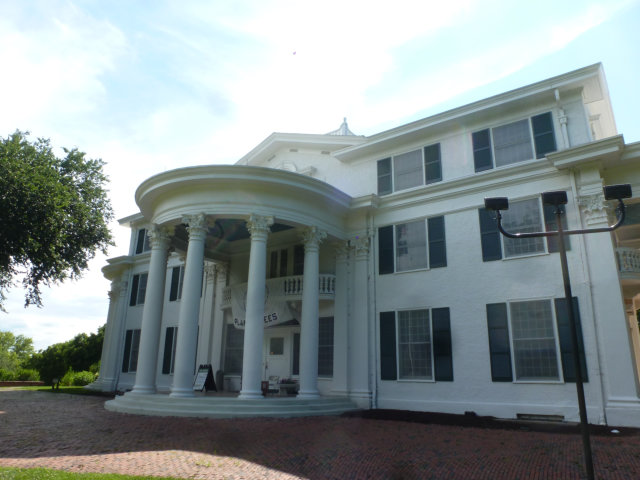
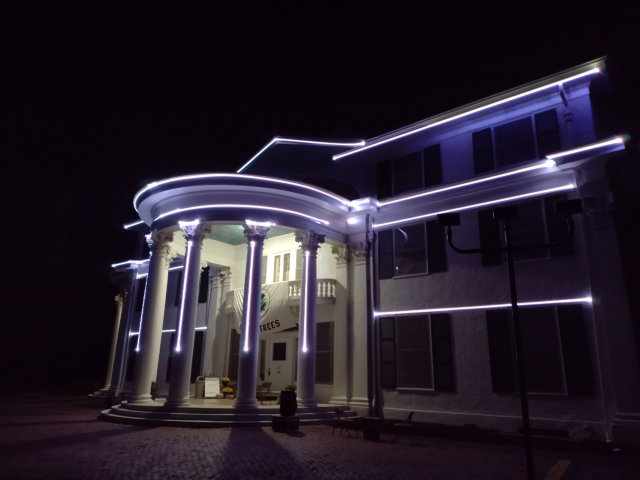

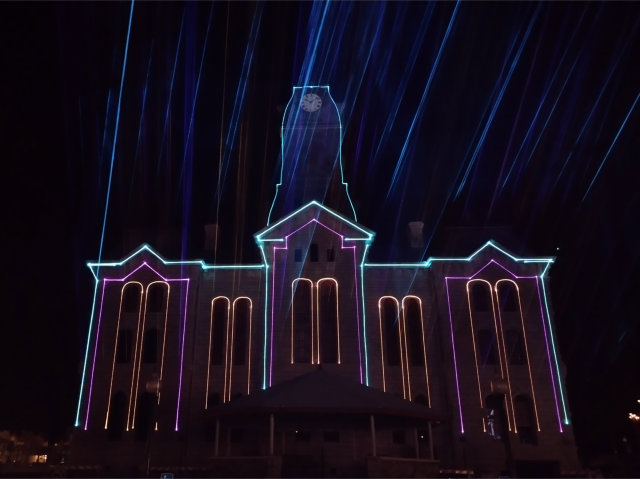
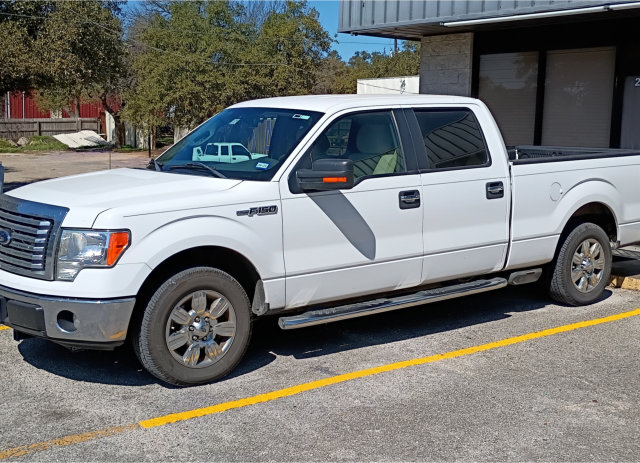
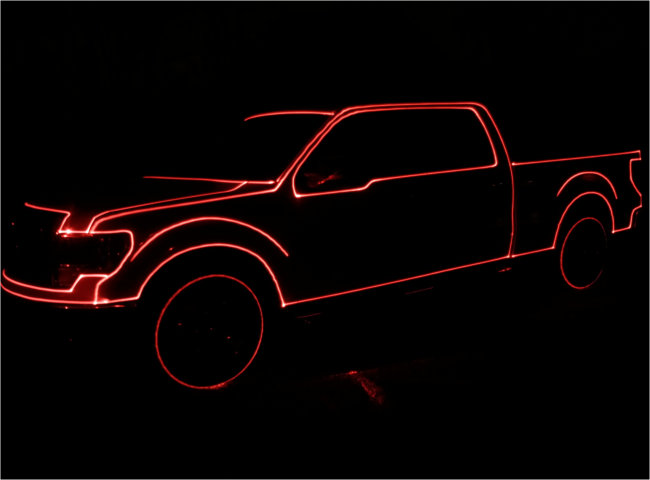
The objects look as if they are outlined with neon lights – but this is all done with laser light! The lines of laser light are programmable, and can change colors and create different lines:
Laser Mapping = Fun with Lasers!
The laser programmer is looking for ways to bring out the more complex architectural elements of a building. As a result, the show will have more variety and fun! Below are three pictures of the same laser mapped building. Each picture shows a different approach, bringing out the various building elements:
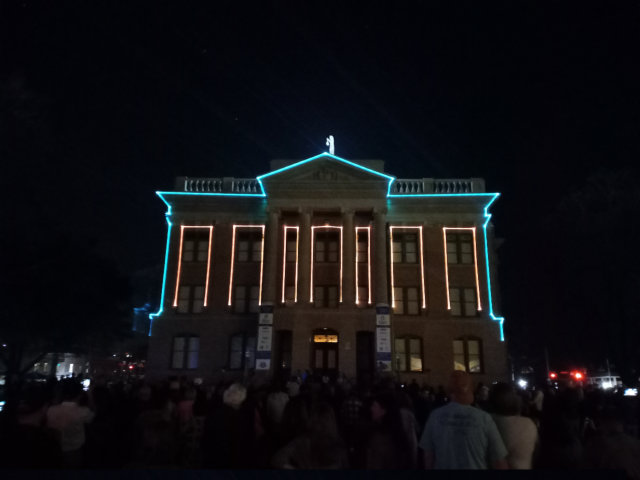

At Laser Spectacles, we consider laser light to be “visual music”! The lines used for mapping are constantly shifting and changing in musical ways. This turns the mapping show into a performance!
Whenever possible, we set the lasers to a piece of music, which adds an emotional element to the show.
Here are three short videos of different laser mapping shows set to music:
Audiences love mapping! It gives local residents a chance to view a building or structure that they may take for granted. Here is a video and comments from the show that we did for the Granbury, Texas Sesquicentennial: Click here!
Any 3D object is a candidate for mapping – even trees! Check out our work mapping an oak tree, for example.